The Real Benefits of a Virtual Office for Startups and Remote Teams
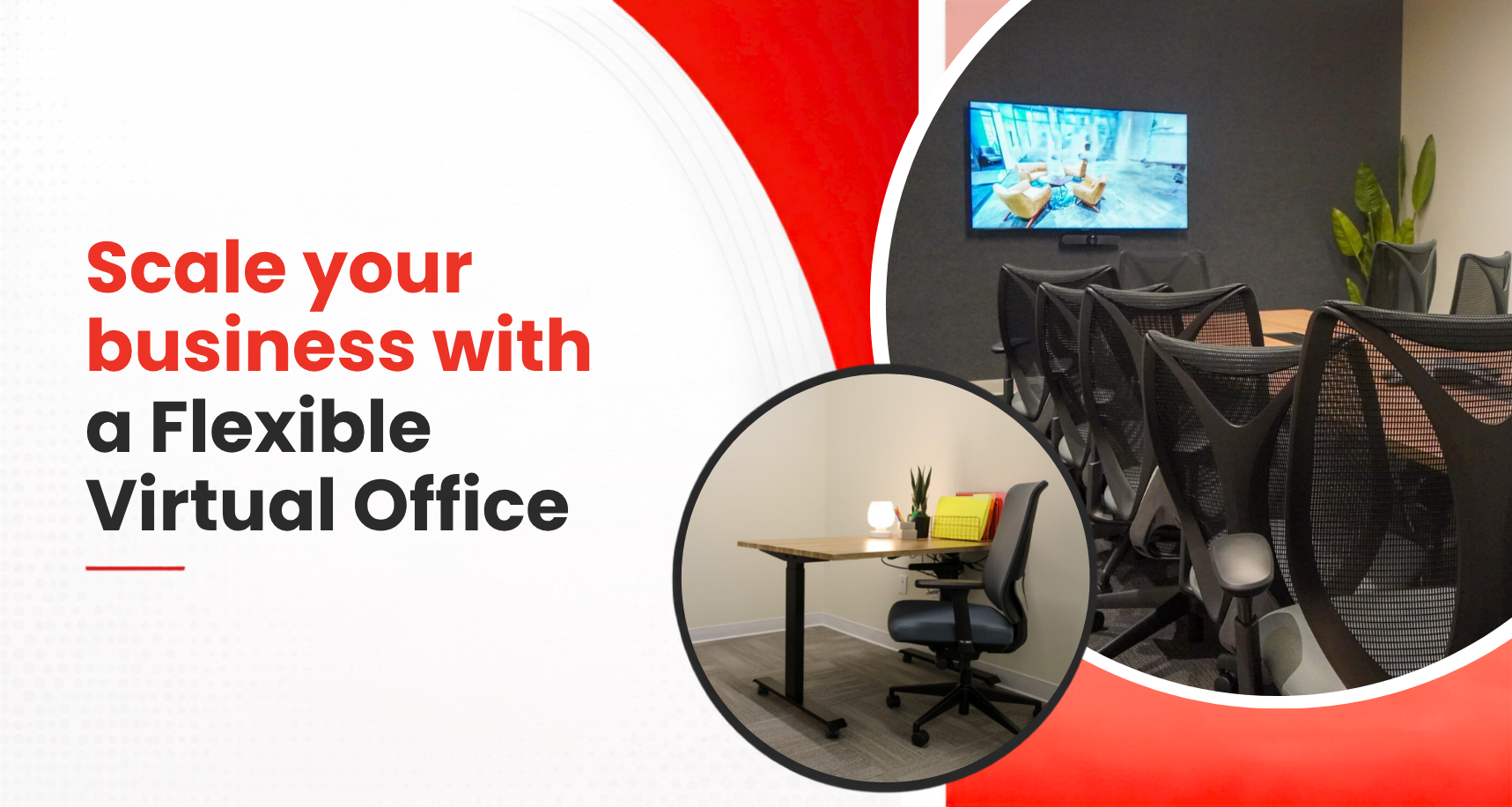
Building a serious commercial brand today looks nothing like it did a decade ago. Startups and scaling remote teams no longer need to shackle themselves to heavy brick-and-mortar storefronts or long-term commercial lease liabilities just to prove they are a legitimate business. Instead, forward-thinking founders are choosing decentralization, using a lean digital infrastructure to push their capital toward what actually matters: product development and elite talent acquisition.
At the very center of this shift is the virtual workspace model. Far from being just a temporary, scrappy cost-cutting measure, it serves as a highly tactical asset. Operating through a decentralized framework allows early-stage companies to keep an enterprise-level presence while retaining total corporate agility. Looking closely at the actual virtual office benefits startups can leverage shows how this model completely reshapes overhead distribution and market positioning.
1. Capital Preservation – Turning Fixed Real Estate Overhead into Direct Cash Runway
The traditional commercial real estate market practically forces early-stage businesses into dangerous financial corners. Signing a rigid, multi-year property lease requires burning through massive upfront cash for security deposits, office interior builds, IT installations, and recurring monthly maintenance. For an entity prioritizing rapid software iteration and product-market fit, tying up cash flow in static square footage introduces massive, unnecessary risk.
Going virtual removes all of these unnecessary operational costs. By swapping a physical lease for a digital corporate presence, you instantly ditch utility bills, facility management fees, on-site reception salaries and property taxes. That capital saved goes right back into your performance marketing campaigns, critical engineering hires, or cloud computing infrastructure.
2. Instant Brand Prestige – Navigating Customer Trust and Corporate Identity
In high-stakes business environments, market perception directly shapes your conversion rates and investor confidence. Utilizing a residential address or a visible post office box on your official registration documents can easily signal a lack of operational scale to potential institutional clients and venture funds.
A virtual setup fixes this positioning problem instantly by granting direct access to high-profile commercial districts. Startups can establish their base in a premium business zone without absorbing the crushing real estate costs that usually come with it. This prestigious address serves as the official anchor for several critical business pillars-
- Official Business Registrations- A credible, rock-solid base for your formal articles of organization, business licensing, and corporate banking documentation.
- Client-Facing Materials- A professional location for outbound marketing campaigns, digital footers, and official corporate websites.
- Inbound Trust Signals- A verifiable brick-and-mortar presence that satisfies rigid vendor verification processes and institutional risk assessments.
This simple adjustment bridges the gap between early-stage operations and enterprise-level credibility. It ensures that your client acquisition conversations are never derailed by questions about your company’s stability or longevity.
3. Boundaryless Talent Acquisition – Pulling from Global Recruiting Networks
With a company making its operational processes contingent on having only one physical location for all activities, it will immediately face the problem of being limited to the commuting range within which it can recruit employees. This geographical limitation makes it hard for companies to find specific skills within the region.
The decentralized structure supported by a virtual setup completely detaches organizational growth from geographic borders. Founders can recruit top-tier engineering, marketing, and operational talent from absolutely anywhere across the globe, hiring based entirely on true capability rather than proximity.
Workspace Framework Matrix – Assessing Long-Term Commitments
| Operational Variable | Virtual Office Solutions | Shared Co-Working Spaces | Traditional Commercial Lease |
| Capital Expenditure Risk | Negligible: Low monthly subscription fees with zero long-term lease liabilities. | Moderate: Rolling monthly desk fees that scale rapidly per individual head count. | Extreme: Multi-year contractual obligations, expensive build-out costs, and steep deposits. |
| Geographic Flexibility | Absolute: Instantly modify, swap, or expand business locations across multiple regions. | Restricted: Bound to specific partner facilities and regional building availability. | Static: Entirely locked to a single physical location for the entire duration of the lease. |
| Administrative Handling | Automated: Centralized digital mail sorting, scanning, and call routing packages. | Shared: On-site reception teams handling generalized daily building traffic. | Internalized: Requires dedicated internal staff for facilities management and mail distribution. |
| Recruiting Constraints | None: Hire elite global talent without localized regional restrictions. | Hybrid: Limited mostly to personnel within a reasonable commuting distance of the hub. | Strict: Confined entirely to candidate networks living within regional commuting paths. |
4. Administrative Optimization – Streamlining Compliance and Mail Operations
Running a fully distributed business entails unique challenges, particularly in the logistics of physical document processing and state-level compliance. Ensuring efficient mail delivery from multiple addresses, with each remote worker working independently, may result in inefficient workflows, missed checks, or delayed notices.
Comprehensive virtual office solutions clean up these issues by centralizing inbound communications through a single, professionally managed hub. These platforms provide structured administrative support, including-
- Digital Mail Scanning and Forwarding- Incoming physical corporate mail is securely received, opened, digitized, and instantly uploaded to a secure portal, ensuring remote teams access critical documents without delay.
- Dedicated Registered Agent Services- Ensuring full adherence to regional regulatory frameworks by maintaining a consistent address for service of process and state compliance notices.
- Live Communications Infrastructure- Utilizing dedicated local phone numbers and professional answering services to handle baseline customer verification calls smoothly without routing to personal cell phones.
This systematic approach minimizes daily operational friction, letting your executive teams stay completely focused on core product milestones rather than chasing down paper trails.
5. Mitigating Regulatory Risk and Corporate Nexus Complications
Expanding a remote business across multiple state lines or international boundaries can introduce incredibly messy legal and tax issues. When remote employees work from various jurisdictions, their physical presence can inadvertently establish a tax nexus, creating unexpected corporate tax obligations for the business in that region.
Maintaining a centralized virtual office location gives companies a distinct corporate anchor. It establishes a primary point of origin for corporate banking, insurance policies, and legal disputes, helping to streamline multi-jurisdictional filing compliance. While payroll taxes will always apply where employees physically reside, having a definitive corporate address prevents operational fragmentation and provides a clean, structured foundation for future venture financing and institutional audits.
Concluding Thoughts
The essence of virtual architecture lies in how it separates business legitimacy from square footage in physical spaces. The adoption of this concept makes it possible for start-up businesses to reduce risks associated with real estate, develop an enterprise brand image, and tap into the global talent pool.
However, as a distributed company matures, there are times when digital tools need to be paired with physical hubs for executive board meetings, critical client negotiations, or focused team sprints. Transitioning between these models requires access to premium infrastructure. To support these critical moments, Dublin Technology Center provides luxurious office spaces and team rooms for Lease, offering scaling enterprises the exact physical spaces required to anchor their hybrid operations and project true corporate excellence.