How Office Amenities Like Cafés and Lounges Improve Company Culture
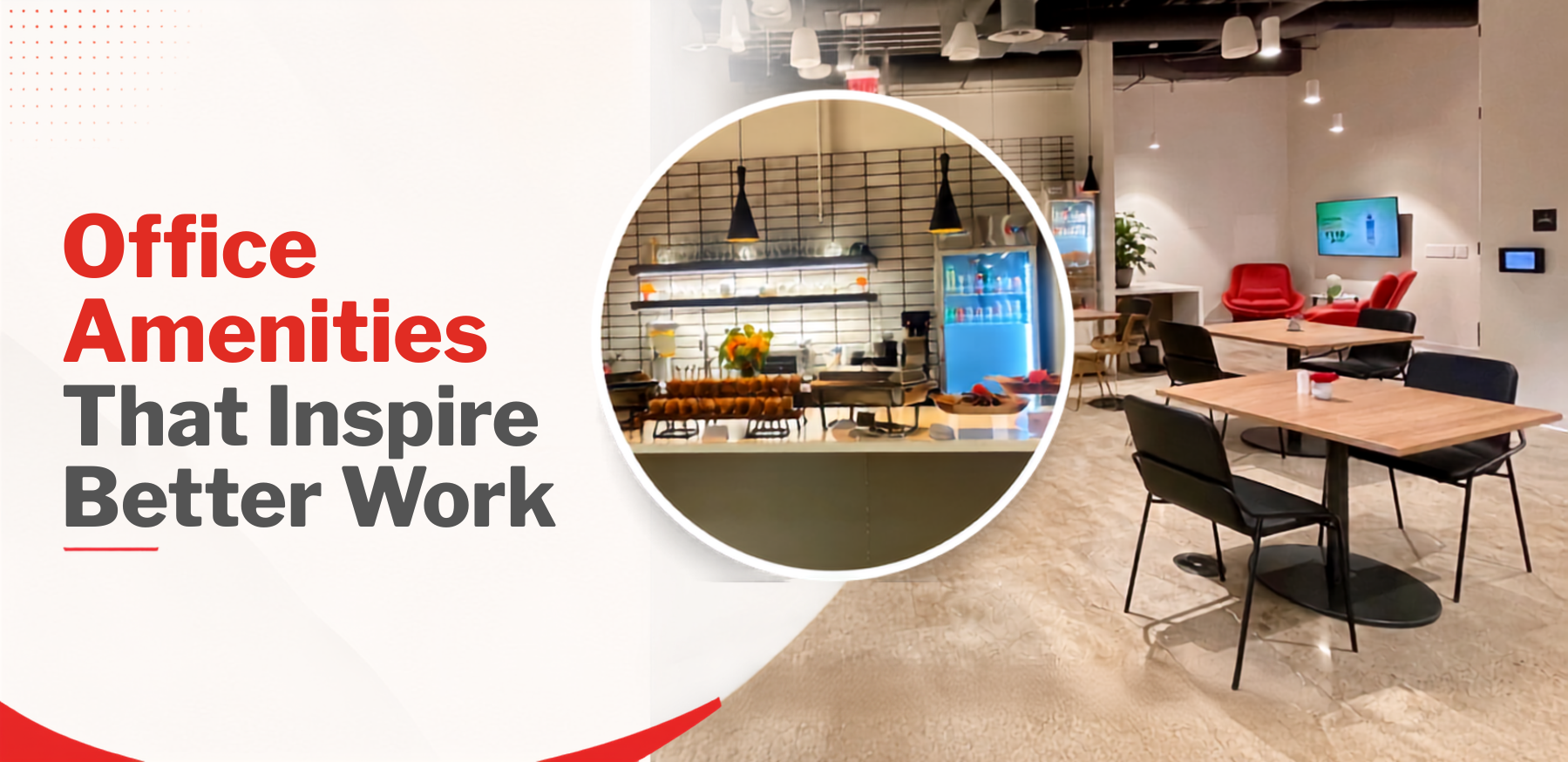
Walk into any great workplace, and you’ll notice something almost immediately: people aren’t always at their desks.
Some are catching up over coffee. Others are sketching ideas on a whiteboard in the lounge. A few are taking a quick break before heading into their next meeting. It doesn’t look like anyone is “wasting time,” it just looks like work is happening differently.
That’s because company culture isn’t built only during town halls or annual retreats. It’s shaped in the small, everyday moments that rarely make it onto the calendar.
And that’s exactly where office amenities come in.
From cafés and breakout spaces to comfortable lounges, these shared areas have become much more than design features. They’re helping businesses create workplaces where people enjoy spending time, collaborate more naturally, and genuinely feel connected to the people around them.
The Office Has a New Job
There was a time when the office existed for one simple reason that people needed a place to work. That’s no longer true.
Today, many employees can answer emails, attend meetings, and finish projects from almost anywhere. So, when they choose to come into the office, they’re looking for something they can’t get at home.
They want collaboration. They want face-to-face conversations. They want to bounce ideas off teammates without booking a meeting three days in advance.
A well-designed workplace makes those interactions easy.
Instead of moving from one meeting room to another, employees have spaces where conversations happen organically. Sometimes the best solution to a problem comes while grabbing a coffee, not while staring at a presentation deck.
That’s why discussions around office amenities employee experience have become a much bigger priority for businesses than they were even a few years ago.
The Best Ideas Don’t Always Start in Meeting Rooms
Almost everyone has experienced it.
A meeting ends, people walk out, and suddenly someone says, “Actually, I have another idea…”
Five minutes later, standing in the café or sitting in the lounge, the team has solved the problem that the hour-long meeting couldn’t.
There’s something about informal spaces that changes the way people communicate. The pressure disappears with conversations becoming more honest, more creative, and far less structured.
From ordinary social spaces, they become collaboration spaces.
When employees from different departments naturally cross paths throughout the day, ideas move faster across the organization. Marketing learns what’s happening in Product. Sales shares customer feedback with Engineering. Leadership becomes more approachable because conversations aren’t limited to scheduled check-ins.
Those small interactions gradually create something much bigger: trust.
A Coffee Break Isn’t Always Just a Coffee Break
It’s easy to dismiss cafés as another workplace perk when in reality, they often become the heartbeat of an office.
They’re where new employees get to know their colleagues. Where teams celebrate project wins. Where managers check in with people without the formality of a one-on-one meeting.
Some conversations last two minutes.
Others end up changing the direction of an entire project.
None of that is planned, and that’s exactly what makes it valuable.
People naturally connect when they’re in comfortable environments. Giving employees somewhere to pause for a few minutes doesn’t reduce productivity, it often helps them return to work with more energy and a clearer mind.
Small Comforts Make a Bigger Difference Than You Think
Employee experience isn’t defined by one grand gesture. It’s usually the little things.
- Having somewhere comfortable to eat lunch instead of staying at your desk.
- Finding a quiet corner to prepare for an important client call.
- Being able to move away from your screen for fifteen minutes without leaving the building.
These moments don’t always show up in performance metrics, but they shape how people feel about coming to work.
When employees feel that their workplace has been designed with them in mind, not just for them, they’re more likely to feel valued. Over time, that sense of belonging becomes part of the company’s culture.
Why Amenities Matter Even More in Hybrid Workplaces
One of the biggest questions companies face today is simple:
“Why should employees come into the office?”
If the answer is just to attend virtual meetings from a different desk, most people would rather stay home. The office needs to offer something more.
That’s where thoughtfully designed amenities make a real difference.
A comfortable lounge makes brainstorming sessions feel less rigid. A welcoming café encourages people to reconnect with colleagues they haven’t seen all week. Shared spaces make spontaneous conversations possible again (something video calls have never quite managed to replicate).
In many ways, amenities help transform office days from mandatory attendance into worthwhile experiences.
They Say More About Your Company Than You Realize
Candidates notice these things. Clients notice them too.
The moment someone walks through your doors, they start forming an impression of your business. An office that feels welcoming, thoughtfully designed, and people-focused quietly communicates something important: this is a company that invests in its people.
That message is hard to fake.
The best workplaces aren’t filled with extravagant features. They’re simply designed around how people actually work.
Sometimes that’s a quiet phone booth. Sometimes it’s a bright lounge where teams gather between meetings. Sometimes it’s just a really good coffee machine that gets people talking.
Culture Is Built Between the Meetings
We often think culture comes from mission statements or company handbooks.
In reality, it’s built in the moments between meetings. It’s the conversation that starts while waiting for coffee. The brainstorming session that happens on a sofa instead of in a boardroom. The new hire who feels included because someone invited them to lunch.