Private Office Suites vs. Shared Workspaces: Which Fits Your Team?
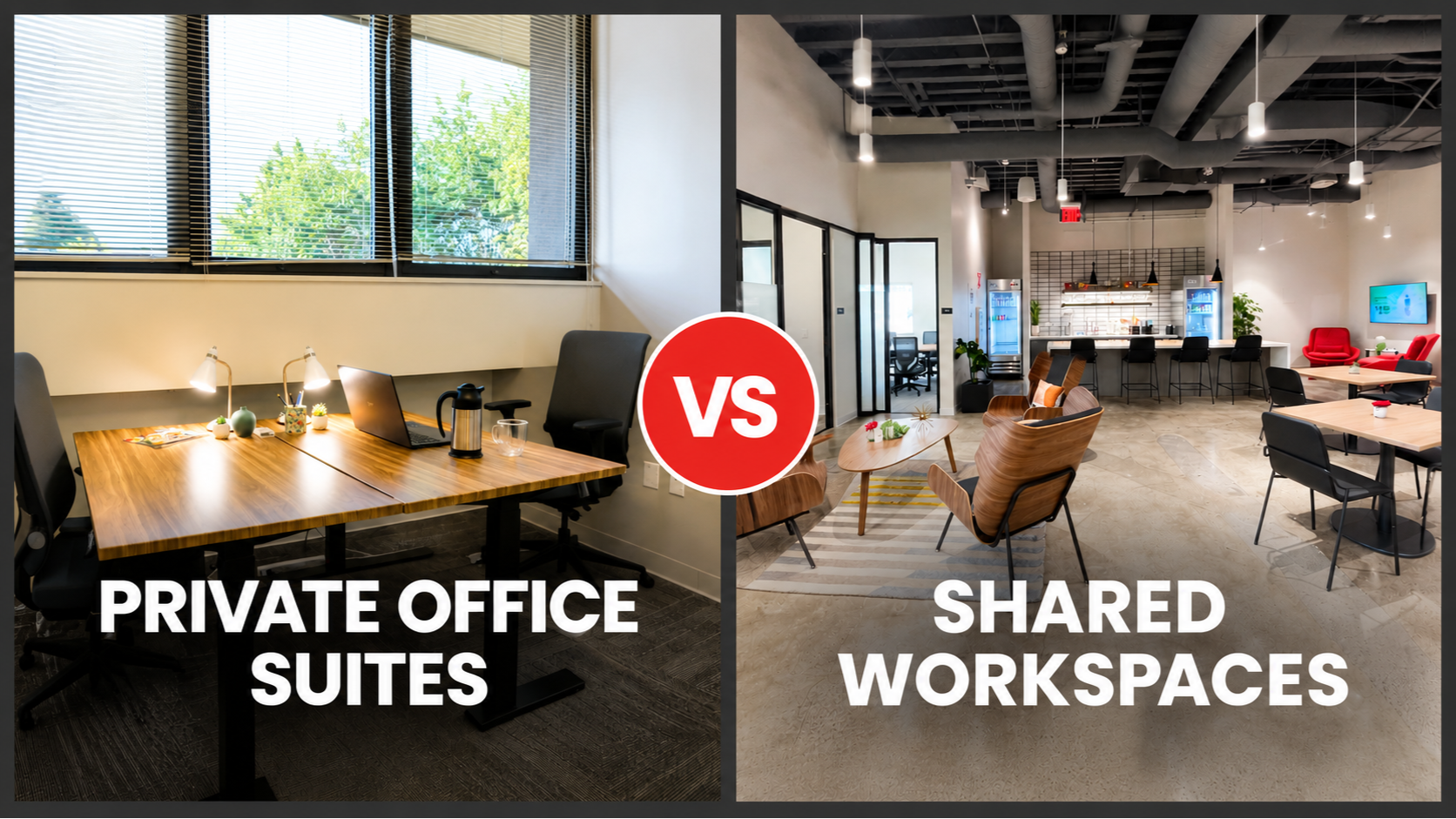
As teams grow, their workspace needs change. A setup that worked for two freelancers may not work for a team of six that takes client calls, handles sensitive documents, and needs to collaborate in person. Shared workspaces offer flexibility and a built-in community.
Private office suites offer a dedicated, enclosed environment. Choosing between them depends on how your people actually work. This guide compares the two so you can decide with confidence.
What’s the Difference?
A shared workspace (often called coworking) gives members access to common areas, desks and amenities without a dedicated room. People from different companies work side by side, which suits professionals who value flexibility and interaction.
A private office suite is an enclosed, lockable room for your team alone. Teams that need consistency, privacy and a space they can set up for their own routines usually look at private offices first. Many people search for private office suites for teams Dublin CA at the point when open-plan noise or confidentiality starts getting in the way of work.
When a Private Office Suite Makes Sense
A private suite is usually the better fit when:
- Conversations are confidential: Legal, financial, HR or client-sensitive discussions are easier in a closed room.
- The team works together most days: Regular in-person collaboration benefits from a stable home base.
- You take frequent calls or video meetings: A door cuts background noise for you and the person on the other end.
- You want a professional address and setting: Clients form impressions when they visit.
- You want to store materials securely: Lockable storage and a keyed door support this.
Serviced offices for corporate teams combine these benefits with practical support, such as furnishings, internet and on-site staff, so a team can move in without a long setup process. Some businesses search for executive office suites Dublin CA when they want this kind of ready-to-use professional setup.
When a Shared Workspace Is the Better Fit
Coworking tends to suit:
- Freelancers, consultants and independent professionals who want a professional setting without a dedicated room.
- Hybrid or remote employees who come in occasionally rather than daily.
- Early-stage founders who want flexibility and a community to network with.
- Teams with unpredictable attendance who don’t want to pay for a room that sits empty.
If you’re weighing Dublin Technology Center co-working against a private suite, the deciding factor is usually how often people are on-site and how much privacy their work needs.
Questions to Ask Before You Decide
Here are six practical questions to work through with your team:
- How many people need a seat on a typical day?
Peak attendance matters more than headcount.
- How much privacy does your work require?
Consider client data, contracts, personnel matters and calls.
- How often do you need meeting rooms?
Regular client meetings or presentations may call for access to conference space.
- How predictable is your attendance?
Steady schedules favor private space. Variable schedules favor flexibility.
- What does your budget allow, and how flexible must the commitment be?
Compare flexible memberships against traditional lease terms.
- Will your team grow soon?
Check whether offices can be added or combined.
Write down your answers before you tour any space. They make comparisons much easier.
Don’t Overlook Meeting and Event Needs
Day-to-day desk space is only part of the picture. Many teams also need space for workshops, training sessions, client presentations or company gatherings, and few want to rent a separate venue each time.
If you expect to host groups, ask any provider what meeting and training rooms are available, what audio-visual equipment is included, and whether catering can be arranged. A search for corporate event space Dublin CA often starts with a one-off need and ends up shaping the whole workspace decision. Having a conference or training room in the same building as your office simplifies logistics.
Looking Across the Tri-Valley
Many teams in the area compare options across Dublin and nearby cities rather than limiting the search to one.
If you’re researching a private office Pleasanton CA alongside Dublin, location factors matter: commute routes for your employees, access to public transit, parking, and proximity to clients or restaurants for meetings.
A space close to major roads and transit can make in-person days more appealing for a team that’s still hybrid.
Consider a Combination
Choosing between private and shared isn’t always either/or. Some teams take a private suite for their core group and use coworking or drop-in options for occasional staff or visitors. Others use shared space while they’re small and move into a private suite as privacy needs grow. Reviewing your requirements regularly helps the setup keep pace with the team.
Conclusion
Private office suites suit teams that need privacy, consistent collaboration and a professional setting. Shared workspaces suit people who value flexibility, community and lower commitment.
Start with how often your team meets in person, how sensitive your work is, and which facilities you’ll use week to week. Then visit a few spaces, ask detailed questions, and choose the option that matches how your team actually works.
FAQs
1. What is the main difference between a private office and a shared workspace?
A private office is an enclosed room reserved for your team, so you get privacy and a space you can set up your own way. A shared workspace is an open area used by members from different companies, which is more flexible and social.
2. Which is better for confidential work?
A private office. A closed, lockable room makes it easier to hold sensitive client calls, HR conversations and financial discussions without being overheard.
3. Can a small team start in a shared workspace and move to a private office later?
Yes. Many teams begin with coworking while they’re small, then move to a private suite as privacy, headcount or meeting needs grow. Ask the provider whether switching is simple and whether offices can be combined as you expand.
4. What should I look for in a private office for my team?
Check the office size against your daily headcount, and make sure internet, furnishings and meeting room access are included. Also ask about parking, lease flexibility and what costs extra. Touring the space during a normal working day will show you how it feels in practice.
5. How can I find out what’s available and what it costs?
Pricing and availability change, so ask the provider directly. At Dublin Technology Center, you can contact the team at sales@dublintechcenter.com or 925-548-9290 to ask about office sizes, current availability and terms for your team.