Shared Office Space vs Coworking Space: Key Differences
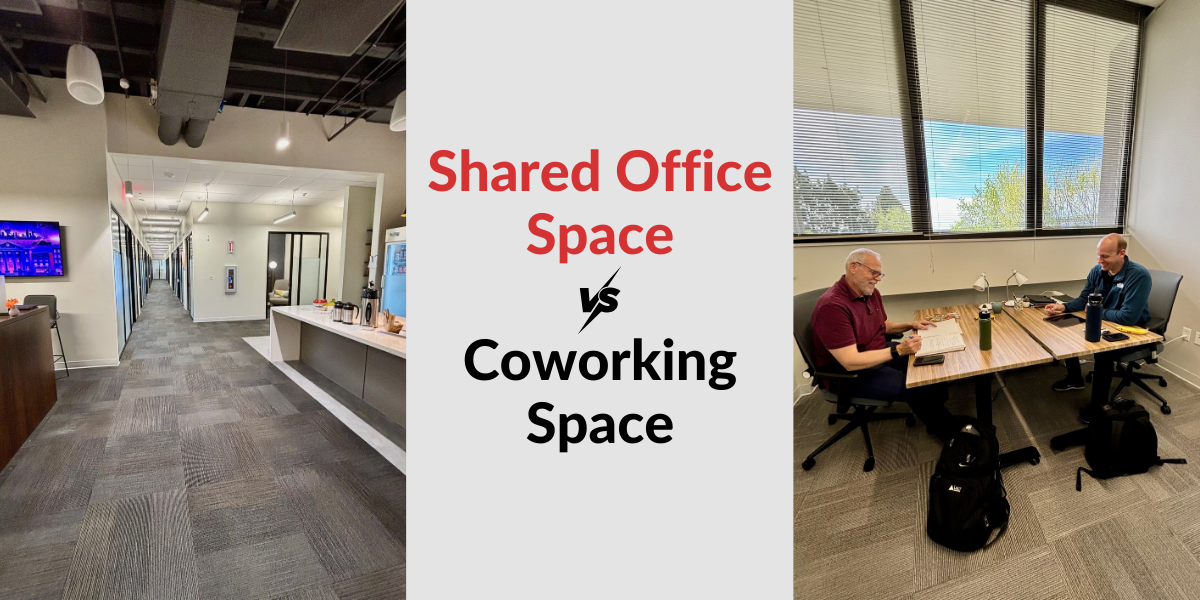
Today’s modern workplace is very different from the typical office space that we used to see. Today, businesses appreciate workspaces that offer flexibility, collaboration, and maximum productivity. Because of these factors, the relevance of shared office space is increasing relative to coworking space. Both options give a completely new work environment to businesses that depend on their operational requirements. When companies are exploring options like coworking office space in Dublin, California, they must have a clear understanding of what each option entails. This article gives a comprehensive comparison of shared office space versus coworking space.
Understanding the Shift in Modern Workspaces
Workspaces are no longer just physical locations; they are strategic tools that influence productivity, collaboration, and employee satisfaction. Deciding between shared office space and coworking space can directly impact how teams will communicate, focus, and grow together.
In this light, most companies looking for coworking office space in Dublin, tend to make their decisions thoughtfully both options offer flexibility and the sharing of resources, but they are designed very differently. A proper understanding of these models clearly means businesses should aim to choose an environment that actually aligns with workflow, culture, and long-term vision.
What Is Shared Office Space?
A shared office is office space that provides work environments for several businesses operating from the same building. Each business has its own private offices. The common space shared by the different business offices in the office building includes conference rooms, waiting for reception areas, kitchens, and lounges.
An office space that can be used as a common facility attracts businesses that would benefit from:
- A professional and organized structure
- Teams with clearly defined separation lines
- Minimum distractions during working hours
When organizations decide to work from a shared business space, they may desire the ambiance of a conventional office but not necessarily handle all that comes with it. This is why shared workspaces are ideal for clients, service providers, and companies handling confidential work.
What Is a Coworking Space?
A coworking environment is described as a shared, flexible workspace where professionals from different firms work together in an open or semi-open setting. Unlike shared offices, a coworking environment focuses on interaction, adaptability, and community building.
A coworking space typically attracts:
- Freelancers and independent professionals
- Startups and early-stage companies
- Hybrid and remote teams
For any professional looking for a coworking space to operate from Dublin, California, coworking spaces have become important hubs that not only stimulate creativity but also allow networking beyond the walls of an ordinary office.
Shared Business Space: A Broader Perspective
Both shared offices and coworking spaces are categorized as shared business spaces, although they serve different purposes.
- A shared office is all about privacy, organization, and efficiency.
- A coworking space is flexible, collaborative, and community oriented.
It is imperative to grasp this distinction when considering shared office space versus coworking space, particularly when involving companies that match the space selection to their internal business structure and expansion plans.
Key Differences Between Shared Office Space and Coworking Space
To make the distinction clearer, the table below highlights the core differences between these two workspace models:
| Feature | Shared Office Space | Coworking Space |
|---|---|---|
| Workspace Layout | Enclosed, private offices | Open or semi-open layouts |
| Privacy Level | High | Moderate to low |
| Work Style | Structured and independent | Flexible and collaborative |
| Interaction | Limited, professional | Frequent and community-driven |
| Ideal Users | Established teams, service firms | Freelancers, startups, hybrid teams |
| Atmosphere | Quiet and formal | Energetic and social |
This comparison helps decision-makers quickly identify which environment better supports their operational needs.
Benefits of a Shared Office Environment
The shared office space provides many benefits that attract companies that seek convenience, professionalism, and consistency:
1. Increased Privacy and Concentration
This includes allowing individuals to work uninterrupted, thereby making common offices suitable for positions that require concentration and confidentiality.
2. Professional Image
Common offices offer a sleek, corporate environment that facilitates client meetings and business transactions.
3. Structured Operations
In fixed spaces and with predictable patterns, teams can create the same workflows as in a typical office setting.
Thus, the advantages mentioned make shared offices a great choice for companies that consider stability important in the shared business space model.
Benefits of a Coworking Space
A coworking space supports modern work styles by combining flexibility with community-driven value.
1. Collaboration and Networking
In turn, coworking spaces encourage interaction with other professionals from different industries, often fostering partnerships and knowledge sharing.
2. Flexible Work Environment
Teams can work flexibly, how and where they want, supporting agile workflows and the ever-changing needs of the business.
3. Dynamic and Creative Environment
Open layouts and shared areas spur creativity, making coworking spaces ideal for teams focused on innovation.
Benefits like these often align with growth-focused, collaborative business cultures for organizations considering coworking office spaces in Dublin, California.
Small Shared Office Space Ideas for Growing Teams
Smaller teams of staff find ways of efficiently balancing privacy and flexibility. Small, shared office space ideas include:
- Cozy private offices in a shared building
- Modular office layouts that allow easy expansion
- Shared meeting rooms and breakout areas
These settings offer the advantages of a shared office while remaining flexible, making them suitable for startups moving into more formal settings.
Serviced Office vs Coworking Space
Another related comparison that is often drawn up is between serviced offices and coworking spaces.
The components generally found in each serviced office are:
- Fully managed private offices
- Dedicated branding and controlled access
- An official, corporate-type setting
On the other hand, coworking spaces encourage openness and sharing. Although both models demonstrate flexibility, serviced offices suit shared office systems, while coworking spaces revolve around community.
Knowledge of the differences between serviced offices and coworking spaces can help optimize decision-making for the business, particularly when privacy and branding are of utmost importance.
Shared Office Space vs Coworking Space: How to Choose
In office space vs coworking space, the following options are to be considered by the companies:
1. Team Size and Composition
In larger or more established teams, a common office would be an advantage, while in smaller or geographically dispersed ones, a coworking space would be beneficial.
2. Privacy and Work Nature
Work that requires confidentiality or attention to detail is better suited to an office-sharing setting.
3. Collaboration and Culture
Those who value networks and idea exchange could find the collaborative environment in coworking spaces more attractive.
Evaluating these factors carefully ensures that the workspace selected meets the requirements of everyday activity and strategic vision.
Making an Informed Workspace Decision
Before finalizing a workspace design, a visit to both environments is recommended. The decision to conduct research in a location such as a shared workspace in Dublin, California, will allow the team to examine the physical surroundings.
Knowing what office sharing space is, what coworking space is, and how the two serve different workspace needs enables organizations to make informed, strategic decisions.
Concluding Thoughts
The question, shared office space vs coworking space, revolves around which one is more suitable based on your goals, and it’s not about which one is preferable to the other. The answer depends on what you need: whether it’s the structure, privacy, and professionalism offered by shared offices, or the flexibility, collaboration, and vibrancy offered by coworking spaces.
However, for businesses seeking the best workspace solutions, the Dublin Technology Center offers luxurious workspaces and team rooms for lease, providing the perfect balance of professionalism, comfort, and design. When you carefully assess your needs and the different workspace models, you will be in a position to choose the best environment to improve your success.