Scaling Smarter: Why Serviced Offices Are the New Foundation for Growing Businesses
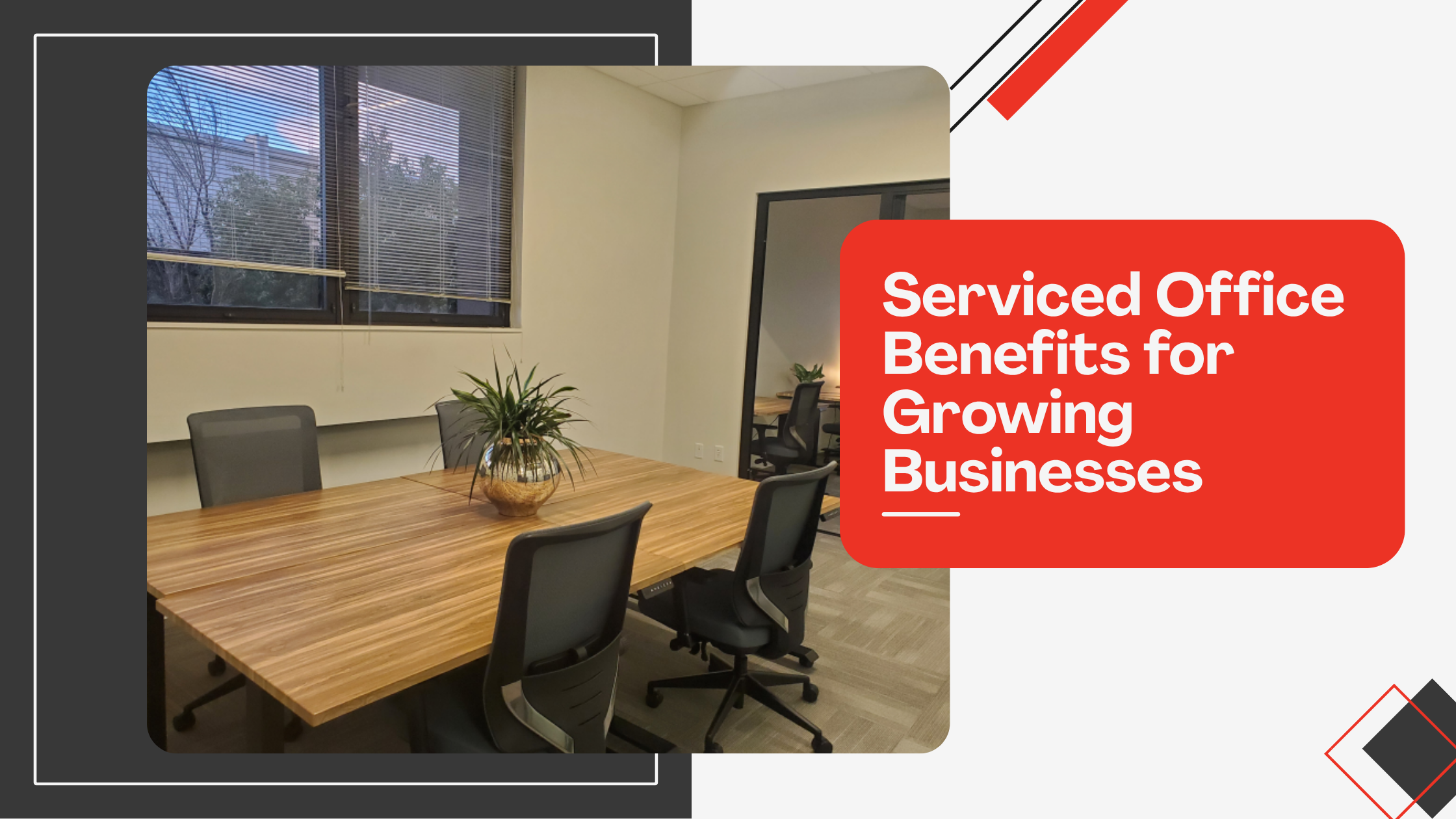
Top Serviced Office Benefits for Growing Businesses
In the startup world, “where” you work is often an afterthought, until it becomes a bottleneck. Between chasing growth and refining your product, the last thing you need to worry about is a rigid commercial lease or the logistics of office management.
The old-school approach of signing a multi-year commitment based on a guessing game is over. In today’s economy, agility is your greatest asset. So, businesses are moving towards renting coworking spaces that can fit their team and scale as fast as needed.
The Evolution of the Workplace: Why the Traditional Lease is Fading
For decades, the commercial real estate model was built on rigidity. Businesses were forced to sign three-to-five-year leases, predict their staffing needs years in advance, and take on the capital expenditure of building out and furnishing an office from scratch.
This model is inherently flawed for modern, growing businesses. If your team grows faster than expected, you’re cramped. If you pivot your strategy or downsize, you’re stuck paying for empty square footage. A serviced office benefits businesses by reversing this pattern. It shifts the burden of infrastructure, maintenance, and facility management onto a partner, allowing you to focus entirely on your core business goals.
1. Agility as an Operational Strategy
The primary benefit of a flexible office solution is not just the ability to leave on short notice; it is the ability to grow on your terms.
At the Dublin Technology Center, we see businesses scale from a two-person team to a 20-person operation in a matter of months. In a traditional lease, this would require finding new space, hiring movers, and shutting down operations for days. With a serviced office, scaling is a fluid process. You can move into a larger suite as your needs dictate, ensuring your workspace remains a tool for productivity rather than a bottleneck.
2. The Financial Logic: Moving from CapEx to OpEx
Beyond logistics, there is a powerful financial argument for moving to a serviced environment. Traditional offices are a massive drain on capital. Between initial deposits, interior buildouts, furniture, and ongoing maintenance contracts, the upfront cost is significant.
An all-inclusive office rent model converts these fixed, upfront costs into predictable operational expenses. As the internet, cleaning, utilities, and reception services are turned into a monthly invoice, financial forecasting becomes simpler. This predictability is an invaluable addition for growing businesses that want to maintain a healthy cash flow.
3. Building a Professional Identity
Never underestimate the power of a “business address.” For startups operating out of garages or remote environments, the transition to a professional workspace is a massive confidence booster, for your team and your clients.
A professional business environment has the infrastructure needed to host high-stake meetings with investors or clients without apology. It has high-tech video conferencing, secure high-speed internet, and a hospitality-driven atmosphere that says, “We are established, we are serious, and we are ready for the next level.”
4. Community and the “Third Space”
Growth can be lonely. The isolation of remote work or a private, standalone office can hinder cross-pollination. This is where coworking and private office benefits come into play.
When you join a professional ecosystem like ours, you aren’t just renting a room; you’re joining a network. Being surrounded by other innovative companies creates opportunities for natural networking, shared knowledge, and even potential partnerships. Our on-site lounges and communal areas serve as a “third space,” designed to spark conversations that wouldn’t happen in a siloed corporate office.
5. Maximizing Talent Retention
Creating a talented team demands several resources and efforts. Today’s high-performing professionals look for working environments that provide apt work-life balance.
Offices close to key transit hubs like Dublin BART station, and easy access to local amenities reduce the friction of the daily commute. A modern, clean, and well-supported office signals to the talent that you value their comfort and time. Moreover, a well-supported team is more productive.
How to Transition Without the Stress
Transitioning to a serviced office is an exercise in de-risking your business. But how do you start?
- Assess Your Runway: Look at your 12-month growth projections. Do you truly know how many desks you’ll need in Q4? If the answer is “maybe,” a flexible lease is your best insurance policy.
- Audit Your “Hidden” Costs: Add up what you spend on internet, janitorial services, reception, and office coffee. Then compare that against the total cost of an all-inclusive managed suite. You’ll often find the ROI is immediate.
- Prioritize Location: Don’t pick an office based solely on the lease rate. Pick one that is accessible for your talent and convenient for your clients.
Conclusion: Designing Your Future
Your office should feel like a win. It’s more than just a desk and a chair. It’s the heartbeat of your team and a reflection of what you’re building. When you find a partner who actually gets the unique pressures and ambitions of a high-performing team, you aren’t just signing a lease; you’re setting the stage for what’s next.
Think of a serviced office as the bridge between that “everything-is-happening-at-once” startup phase and the steady, sustainable growth of an enterprise. It takes the weight of facility management off your shoulders, giving you the freedom to pivot when you need to, clear numbers on your balance sheet, and a space where your team actually wants to show up.
It’s about making sure your physical workspace is keeping pace with your vision, not holding it back.