What Is a Virtual Office and Does Your Business Really Need One?
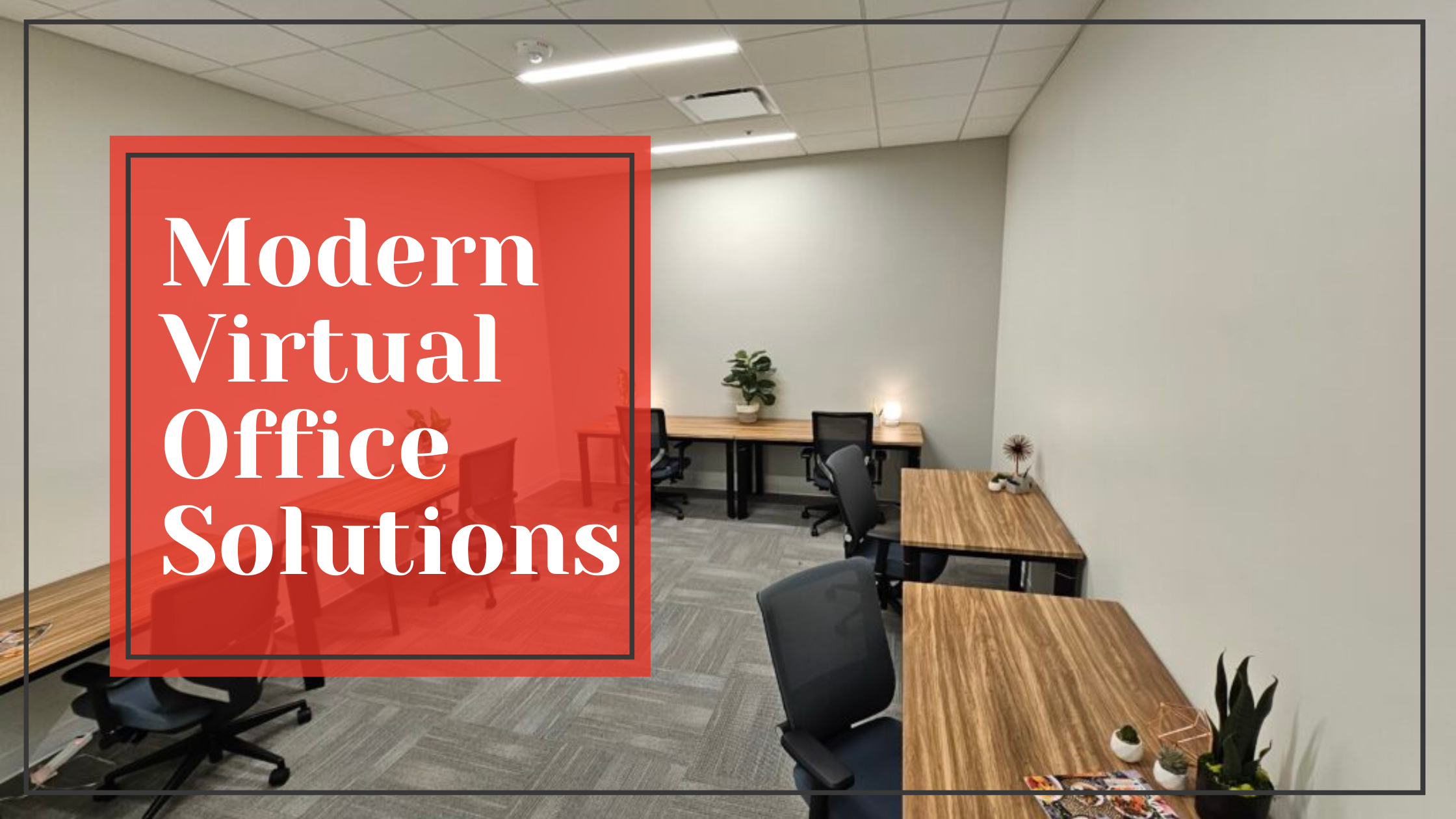
Not every business needs a permanent office. Consultants, remote teams, startups, and home-based companies can often work effectively without paying for dedicated space every month. However, they may still need a professional address, somewhere to receive business mail, and a suitable location for occasional client meetings. Using a home address may feel too personal, while renting a traditional office can be unnecessarily expensive.
A virtual office space in Pleasanton or nearby Dublin offers a practical middle ground. It gives your company a professional business presence without requiring you to maintain a full-time physical workspace.
What Does a Virtual Office Provide?
A virtual office is connected to a real commercial location. Your team may work remotely, but your business can use selected services offered by the workspace provider.
Depending on the membership, the benefits of a virtual office may include:
- A professional business address
- Mail and package handling
- Mail-forwarding services
- Meeting-room access
- Reception or administrative support
- Optional coworking or day-office access
A Pleasanton virtual office can be useful for businesses that want to establish a presence in the Tri-Valley without immediately renting and furnishing an office. It can also help home-based professionals avoid displaying their residential address on websites, invoices, proposals, and other business materials.
However, businesses should confirm how the address can be used. Requirements for company registration, licensing, banking, and online listings can vary, and not every virtual-office plan supports every purpose.
Does Your Business Need a Virtual Office?
A virtual office makes the most sense when your business operates remotely but still needs a professional base.
For example, it may be suitable when you:
- Do not want to publish your home address
- Need a local presence in Pleasanton or Dublin
- Meet clients in person only occasionally
- Want professional mail and package handling
- Are testing a new market before opening an office
- Want to reduce fixed workplace expenses
For a consultant or small company, a virtual office in Dublin, CA, can create a more established image without the cost of permanent office space for rent.
It can also support companies expanding into the Tri-Valley. Instead of committing to a long-term lease before local demand is clear, the business can establish an address, receive correspondence, and book meeting space when required.
The cost savings can be significant. A traditional office may involve rent, deposits, furniture, internet, utilities, cleaning, repairs, and ongoing maintenance. A virtual office allows you to pay only for the services you actually use.
That said, a virtual office may not be enough when several employees need regular desks, clients visit frequently, or the team handles confidential work throughout the day. In those situations, a physical workspace may offer better value.
Virtual Office, Coworking Space, or Serviced Office?
A virtual office is only one type of flexible workspace. The right option depends on how often you need to be physically present.
A virtual office mainly provides an address and business support services. It is best for people who already have somewhere productive to work.
A coworking office space gives you access to shared desks, internet, common areas, and other workplace facilities. A flexible coworking space in Dublin, CA, may be a better choice when working from home is distracting or you need a professional environment several days each week.
Some companies combine coworking space and virtual office space. They use the location as their business address and visit the coworking area or meeting rooms when needed.
A serviced office goes a step further. Serviced offices are furnished private workspaces managed by the provider. Internet, utilities, cleaning, furniture, and shared amenities are often included.
The main serviced office benefits are privacy, convenience, and immediate availability. A serviced office may be better when your employees need permanent desks, you hold frequent confidential calls, or clients regularly visit your workplace.
In simple terms:
- Choose a virtual office when you mainly need an address.
- Choose coworking when you regularly need a desk.
- Choose a serviced office when your team needs a private, permanent workspace.
Choosing the Right Virtual Office
Before choosing a provider, look beyond the address itself.
Ask how mail is received, whether forwarding is available, and how quickly you will be notified when something arrives. Check whether meeting rooms, coworking desks, or private day offices can be booked when required.
You should also understand any additional charges. Some plans appear inexpensive but charge separately for mail handling, meeting rooms, package collection, or administrative services.
Most importantly, visit the location. A virtual office should be somewhere you would feel comfortable inviting a client or business partner.
A good provider should also allow your workspace arrangement to grow with your business. You may begin with a virtual office, add coworking access later, and eventually move into a serviced or private office when your team expands.
A virtual office is not necessary for every business. But for remote companies, consultants, startups, and home-based professionals, it can provide credibility, privacy, and flexibility without the overhead of a traditional lease.
The decision comes down to one question: do you need an office every day, or do you simply need a professional business base? If it is the latter, a virtual office may be exactly what your business needs.
Frequently Asked Questions
1. What is included in a virtual office?
A virtual office may include a professional address, mail handling, package receipt, meeting-room access, and optional coworking facilities.
2. Can I work from a virtual office?
Some providers offer coworking or day-office access, but a basic virtual-office plan does not usually include a permanent desk.
3. Is a virtual office suitable for a home-based business?
Yes. It can help protect your residential address and give the business a more professional presence.
4. How is a virtual office different from coworking?
A virtual office primarily provides an address and support services. Coworking provides a physical shared space where you can work.
5. Can I move into a private office later?
Yes. Many flexible workspace providers allow businesses to upgrade from a virtual office to coworking, a serviced office, or a private office.